Shocking Force and Clarry Conners: Reading Young-Horse Form
How to approach a young horse's early form without confusing stable confidence with evidence. An archive-inspired guide using the Shocking Force racing record.
A newly written guide based on historical records. The original preview is unavailable; no unverified trainer quotes, debut promises or upcoming starts have been recreated.
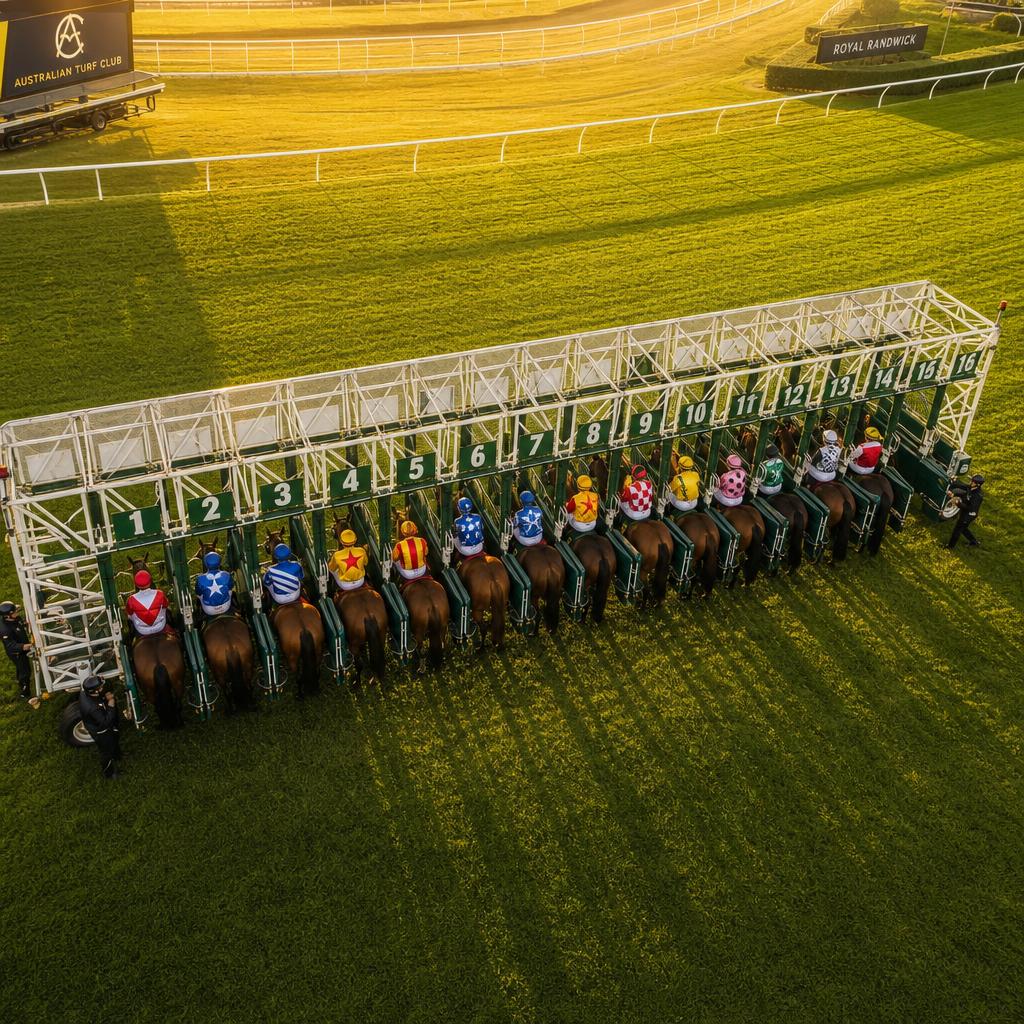
The header uses an illustrative racing photograph, not a photograph of the historical event.
An interesting name is not a complete assessment
Shocking Force appears in historical Australian racing records with Clarry Conners listed as trainer. For readers arriving through the old preview headline, that is the starting point rather than a reason to assume the horse is about to race now. Young horses can change quickly between their first few appearances. A preview captures a moment in their development, not a permanent assessment of their ability or a standing instruction to back them.
The original RacingReady story has not been recovered, so this guide does not reproduce a promised debut date or claim to know what Conners said before a particular race. Instead, it looks at the questions a careful reader should ask when a lightly raced horse attracts attention. Those questions remain useful long after a headline has disappeared: what is known, what is still uncertain and what would a suitable race look like?
Separate the trial from the race
Trials can show that a horse settles, jumps cleanly or responds when asked to improve. They are not always run to demonstrate the fastest possible time. Riders may have different instructions, and some horses may be at a different stage of preparation. Watching a trial replay usually tells you more than looking only at the finishing position. Even then, keep the conclusion modest. Looking comfortable is not the same as proving an advantage against race-day opposition.
Early race form adds information about pressure that a quiet trial may not reveal. Notice whether the horse travelled between runners, changed direction smoothly or became unsettled when the tempo lifted. Read the stewards' comments alongside your own observations. A disappointing position can have a genuine explanation, but do not invent one simply because you liked the horse before the start. The next performance still has to confirm your interpretation.
The field matters as much as the individual
A promising runner is not assessed in isolation. Compare the experience of the other horses, their likely early speed and the conditions each has already encountered. If several lightly raced runners are improving at once, certainty should fall rather than rise. A horse with a tidy debut may still meet rivals whose ability is not yet visible in the form guide. Unknown does not mean slow, and it certainly does not mean safely beaten.
Distance and draw deserve the same attention. A short race with an early scramble for position can expose inexperience, while a longer trip may ask a different settling question. An inside gate can save ground but also leave a hesitant beginner behind traffic. Rather than ranking barriers mechanically, picture the likely first part of the race. Then ask how much evidence you have that this particular horse can handle that situation.
Keep your notes honest
A useful notebook entry contains an observation and a condition. For example, you might note that a runner finished willingly after finding clear room, then mark it for another look in a race with less likely traffic. That is more useful than writing next-start winner. It also makes your reasoning easier to review if the horse runs poorly. You can check whether the expected circumstances actually occurred rather than changing the explanation after the result.
For present-day selections, return to the current calendar and race card. Match the horse's full name, race number and meeting date before asking for a prediction. Historical records can explain a horse's earlier development, but they cannot establish today's fitness or availability. There is nothing wrong with passing on a young-horse race when too much remains uncertain. Good form reading includes recognising the limits of the evidence, not just finding reasons to be enthusiastic.
Frequently Asked Questions
Is Shocking Force confirmed to be racing today?
This historical guide makes no claim about a current entry. Check the latest official field and scratchings for the meeting you want to analyse.
Does a trial win make a young horse the best selection?
No. Trial purpose, opposition, riding instructions and race-day conditions all matter. A replay and the subsequent race record provide context that the trial result alone cannot.
Have the original Conners quotes been restored?
No. The original preview could not be verified. This is fresh explanatory writing, not a recreated interview or an assertion about an upcoming start.