Divine Shadow: How to Read an Uncertain Racing Campaign
When a horse's next start is undecided, separate a possible target from a confirmed engagement. A practical guide to nominations, weather and campaign changes.
A replacement guide at a historical article address. The original Divine Shadow report could not be recovered, so no trainer quotation, reason for a change of plan or next start is invented here.
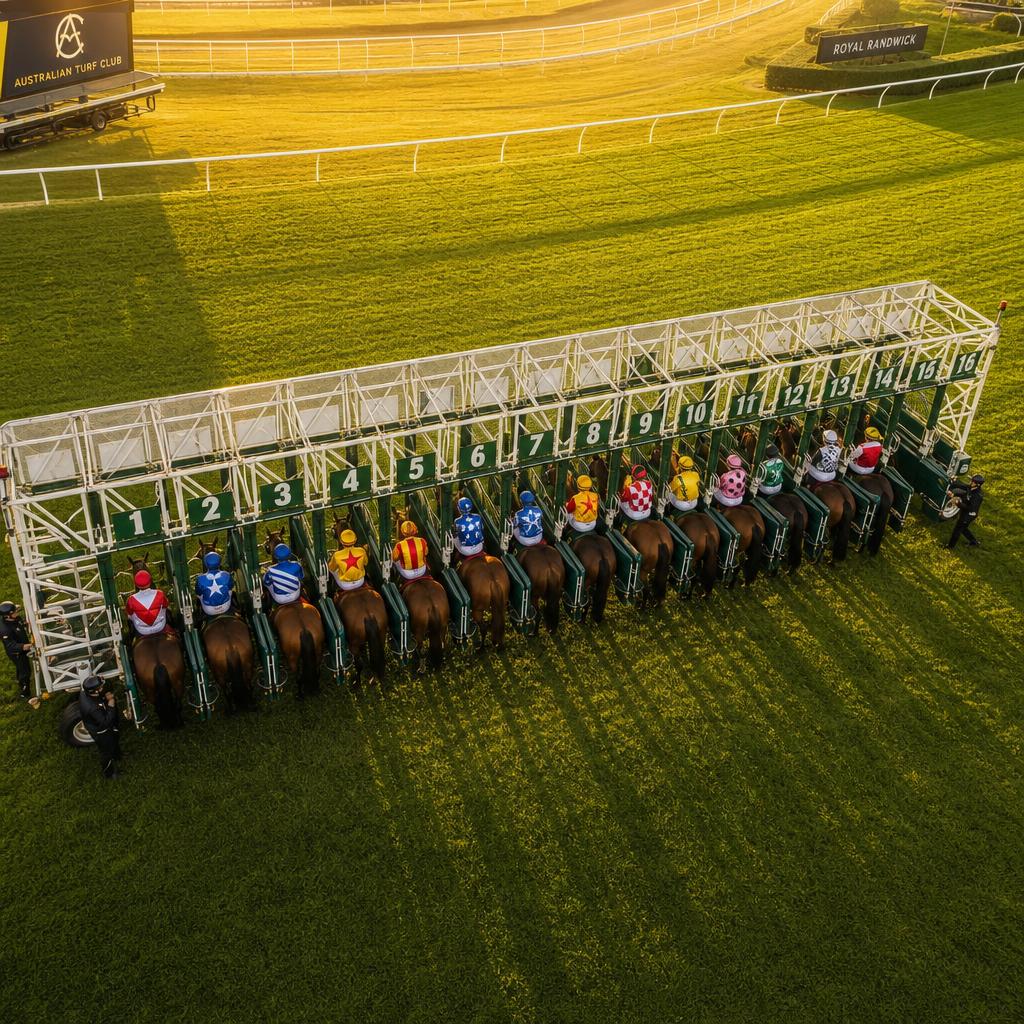
The header uses an illustrative racing photograph, not a photograph of the historical event.
An undecided plan is not a negative result
The phrase plans up in the air describes uncertainty, not necessarily a problem with a horse. A stable might have several suitable races available, be waiting for weather information or simply need more time before deciding. Without a verified explanation, it is unfair to choose one of those reasons and present it as fact. That is the starting point for reading this older Divine Shadow headline.
The original report is unavailable in this archive. We therefore cannot reliably reconstruct what the connections intended, which meeting they were considering or why the decision was delayed. What we can do is explain how to follow an uncertain campaign properly. The useful information usually arrives in stages, and each stage tells you something different about the likelihood of a horse appearing on race day.
Follow the entry process in order
A nomination is an expression of interest. It is not the final field and does not guarantee a start. Look next for acceptances, then check the published rider and barrier. Keep an eye on subsequent scratchings as well. A horse can appear in several sets of nominations while its connections compare opportunities. Counting those entries as several intended runs creates a story that the official information does not support.
Make a short watchlist with the horse's exact registered name, the prospective venue and the date of the next relevant update. If there are two possible targets, keep both as possibilities rather than quietly choosing your favourite. Once the final field appears, replace the provisional note with confirmed information. This saves you from analysing an imagined field or sharing a tip for a runner that has not accepted.
Weather can change the question
A forecast and an official track rating are different pieces of information. Rain may be predicted without arriving, and a surface can change between the morning assessment and the race. Read the horse's previous performances on comparable going, but check how many observations support your conclusion. One wet-track win in a modest field does not establish that every rain-affected feature will suit that horse.
Distance and timing matter alongside the weather. A later race might offer a different trip or a different gap between starts. Neither change is automatically an advantage. Ask whether the horse has evidence at the new distance, what its recent preparation suggests and which competitors are likely to line up. Until those details are known, the honest answer may be that there is not enough information to make a selection.
Update the assessment, not just the headline
When a target becomes definite, begin with the actual conditions instead of trying to defend your earlier opinion. A favourable draw can change the expected position; a late scratching can change the pace. Write down what has changed and whether it strengthens or weakens the original case. You do not need a complicated rating system to benefit from this habit. You need a clear record of the assumptions you made.
Historical campaign stories are useful for learning that process, but they should never be mistaken for today's declarations. Check the current official race information before moving from an archive article to a race analysis. If a horse is absent, do not substitute another meeting or an old race card to make a prediction appear available. Waiting for a confirmed runner is a sensible decision, not a missed opportunity that must be chased.
Frequently Asked Questions
What was Divine Shadow's next race in the original report?
The original report could not be verified, so this page does not claim a particular next start or reason for the uncertainty.
Does a nomination mean a horse is definitely running?
No. Check acceptances and then any subsequent scratchings. A nomination alone is not a confirmed race-day engagement.
Should I rely on an old campaign article for today's tips?
No. Use a current field, current track information and the correct race date. Historical articles provide context rather than live selections.