Golden Slipper Guide: History, Juvenile Form and Race-Day Checks
Understand the Golden Slipper at Rosehill Gardens, its place in Australian racing history and the practical challenges of assessing a field of two-year-olds.
An evergreen race guide. Confirm the next running's official date, field and conditions with the Australian Turf Club; this page does not advertise a historical field as current.
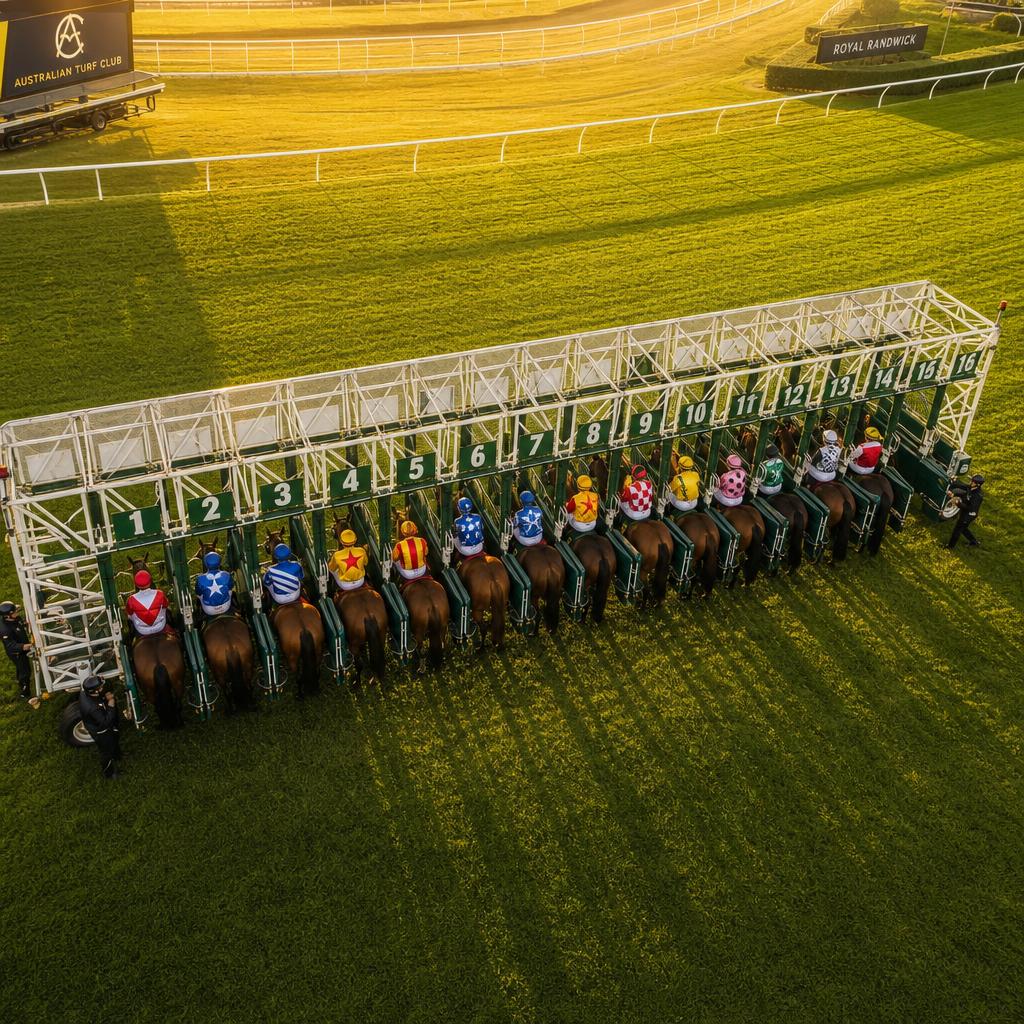
The header uses an illustrative racing photograph, not a photograph of the historical event.
Why the Golden Slipper matters
The Golden Slipper is one of the defining races of the Australian autumn. Held at Rosehill Gardens over 1200 metres for two-year-olds, it brings early speed, racing education and breeding ambition into the same contest. For a casual viewer it can look like another big sprint. For owners and trainers, it is also a test of how successfully a young horse has developed through a demanding first preparation.
The Australian Turf Club traces the race back to 1957, when Todman won the inaugural running. The club's history records an eight-length margin, a performance that helped establish the new event immediately. Later winners include horses whose influence continued well beyond their racing careers. That history explains the Slipper's prestige, but it does not make any current runner easier to assess. Each year's field brings a fresh group of lightly exposed horses.
Start with education, not just speed
Two-year-olds may have only a handful of race starts, and some have had very different experiences from their opponents. A horse that has raced behind runners and handled pressure has answered questions that a comfortable front-running winner may not yet have faced. Watch how a runner begins, settles and responds when asked to change pace. Those details can matter as much as the number printed beside its last-start finishing position.
Trials and lead-up races need context. A quick time on one surface cannot be lifted straight into a comparison with a performance on another track in different weather. Nor does a quiet trial prove a horse lacks speed. Look for what was asked of the horse and what it showed under those circumstances. If the evidence is thin, keep the uncertainty visible instead of disguising it with an overly precise confidence figure.
Draw, pace and changing conditions
The barrier draw changes the practical problem each jockey must solve. An inside position can save ground but may also mean racing in traffic. A wide gate can require early effort, particularly if several rivals want the same forward position. Map the likely first few hundred metres rather than ranking gate numbers in isolation. A horse's usual racing style and willingness to settle should be part of that map.
Track conditions deserve a separate check. Young horses may have little or no comparable wet-track form. Pedigree can suggest possibilities, but it is not a substitute for demonstrated performance on the surface. If rain arrives after your first assessment, revisit the field and scratchings. It is better to admit that conditions have changed your view than to defend an earlier selection simply because you have already told someone about it.
Keep history and today's field separate
A Golden Slipper guide should not quietly become a race card. Prize money, nominations, starting times and the final field belong to a specific running and can change. Use the Australian Turf Club's official information for the edition you intend to follow. Match the year and date before comparing runners. The fact that a horse appears in a historical winners list tells you nothing about whether it is eligible or entered now.
For a practical race-day routine, check the confirmed runners, late scratchings, track rating, distance and declared riders before reviewing your selection. Read a prediction as one assessment of that information, not as a guaranteed outcome. You can enjoy the Slipper's history and still decide that a particular year's race is too uncertain to bet on. That is a reasonable conclusion in a contest where development and inexperience can change the picture quickly.
Frequently Asked Questions
Where is the Golden Slipper run?
The Golden Slipper is run at Rosehill Gardens in Sydney over 1200 metres. Check the Australian Turf Club for the official details of the next running.
Which horses can run in the Golden Slipper?
It is a race for two-year-old thoroughbreds. Eligibility and entry requirements should be checked against the official conditions for the relevant edition.
Who won the first Golden Slipper?
Todman won the inaugural race in 1957. The Australian Turf Club's historical account records an eight-length victory.