Allan Sharrock at Te Rapa: Conditions, Opportunity and Feature Form
A practical look at Te Rapa feature-race form through Allan Sharrock's Sinarahma, with attention to changing ground, an economical trip and what a result can prove.
A new form-reading guide replacing an unavailable archive story. Sinarahma's verified example is not claimed to be the subject of the original 'good fortune' headline.
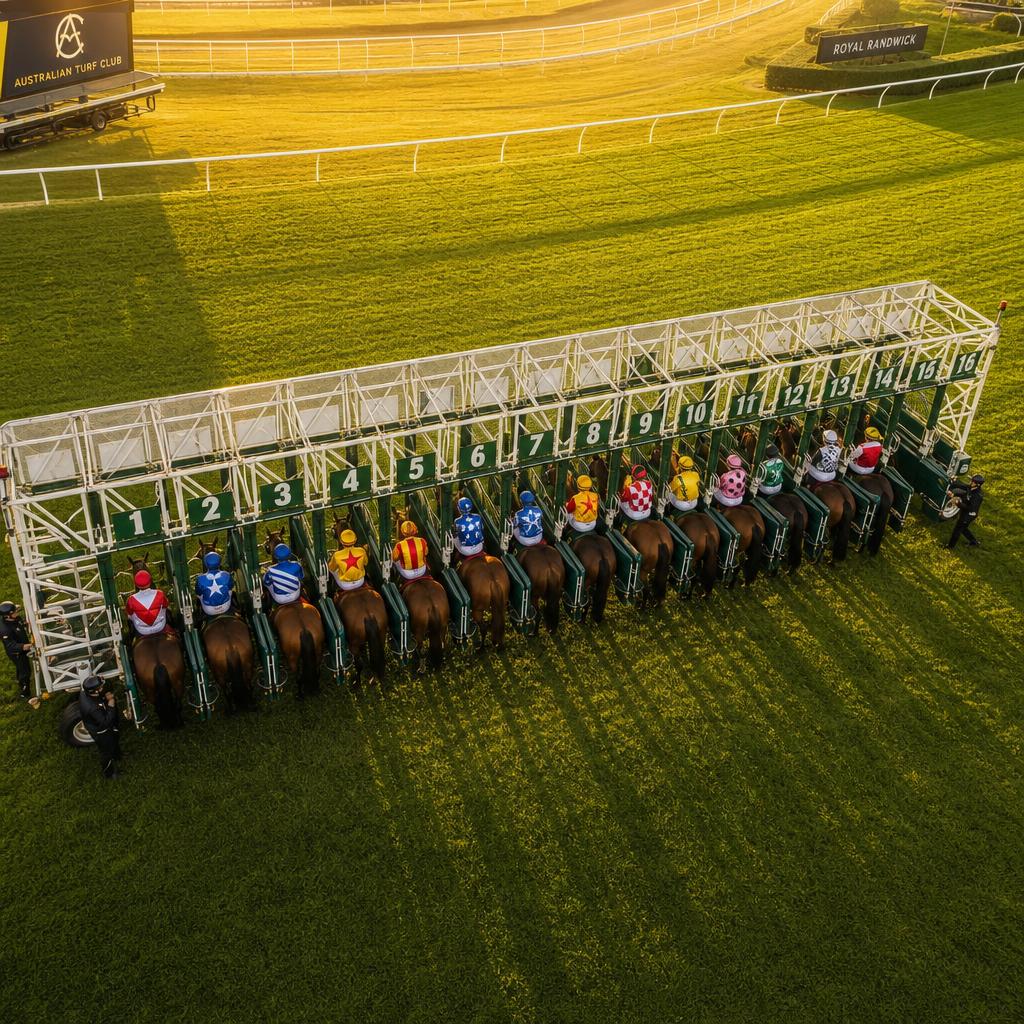
The header uses an illustrative racing photograph, not a photograph of the historical event.
Good fortune is not a form explanation
Racing headlines often credit good fortune when a stable finds the right opportunity. That can be a fair description of timing, but it does not explain how a horse performed. The original report at this address is unavailable, so its exact circumstances have not been reconstructed. Instead, this guide uses a separately documented Allan Sharrock performance at Te Rapa to show the questions worth asking when a feature-race result catches your attention.
LOVERACING.NZ's account of Sinarahma's Cal Isuzu Stakes success provides a useful example. The Sharrock-trained mare won the Group 2 race over 1600 metres with Craig Grylls riding. The report describes conditions deteriorating to Soft 7 after showers, an economical run behind the pace and a two-and-a-half-length advantage at the finish. Those details give readers something concrete to consider without needing a colourful explanation about luck.
Changing ground can change the assessment
A track rating published early in the day is not a promise about the surface hours later. Rain, drying conditions and successive races can all change what riders encounter. If you made your first assessment on a better surface, return to it when the official rating changes. That does not mean blindly promoting every horse with a wet-track win. Compare the conditions of that earlier performance with what is actually happening now.
The size of the sample matters as well. One strong soft-track run is encouraging, but it does not reveal how a horse will respond to every type of rain-affected ground. Look at the trip, pace and standard of opposition in each relevant start. When comparable evidence is missing, say so. It is more useful to acknowledge an untested condition than to make a confident claim based only on pedigree or a familiar stable name.
An economical run has value
Sinarahma's reported position behind the pace is another part of the story. A horse that travels comfortably and reaches clear running at a useful moment may preserve energy for the finish. That is not proof the race was easy, nor does it diminish the winner's ability. It explains how ability and circumstances worked together. For a replay review, note where the horse settled and how much ground it covered before the decisive move.
Also watch the horses around it. A rival racing wide or being held up may have faced a different task despite finishing only a few places behind. The result tells you who won; the race pattern helps explain how. Both deserve a place in your notes. Avoid swinging from one extreme to another, either praising only the winner or excusing every beaten runner. Some disadvantages are meaningful, while others are too small to explain the outcome.
Treat feature form as a question for next time
A Group 2 success establishes an important result in a horse's record, but the next race may be run under different weights or against different opposition. Check the new conditions rather than carrying the grade label forward as an automatic advantage. If a mare moves from a restricted feature into a broader field, or returns on a firmer surface, you are assessing a new problem. Familiarity with the stable cannot answer those questions on its own.
For Australian readers following New Zealand racing, confirm the local meeting date and the actual race number as well. Te Rapa is not an interchangeable label for all New Zealand form, and an old article is not today's acceptance list. Use the historical account to improve your review process: identify conditions, understand the trip and state what still needs checking. That is a more lasting benefit than trying to turn an archived feature story into a current tip.
Frequently Asked Questions
Which verified Sharrock performance is discussed?
This guide discusses LOVERACING.NZ's report of Sinarahma winning the Cal Isuzu Stakes over 1600 metres at Te Rapa, ridden by Craig Grylls.
Is Sinarahma confirmed as the horse in the original archive headline?
No. The original report could not be verified. The page clearly uses a separate sourced example rather than attributing unconfirmed details to that old headline.
Should a track downgrade change my selection?
It should prompt a fresh assessment. Review comparable surface form, the current field and any scratchings instead of assuming your earlier view still applies.