Coast Feature Races: How to Assess a Trainer's Next Target
A feature-race target is a plan, not a confirmed start. Learn how fitness, travel, track layout and the final field change a horse's chances at a coastal meeting.
A new explanatory guide replacing an unavailable archive report. The original Miller, runner and intended race could not be verified, so this page does not invent those details or present the old headline as current news.
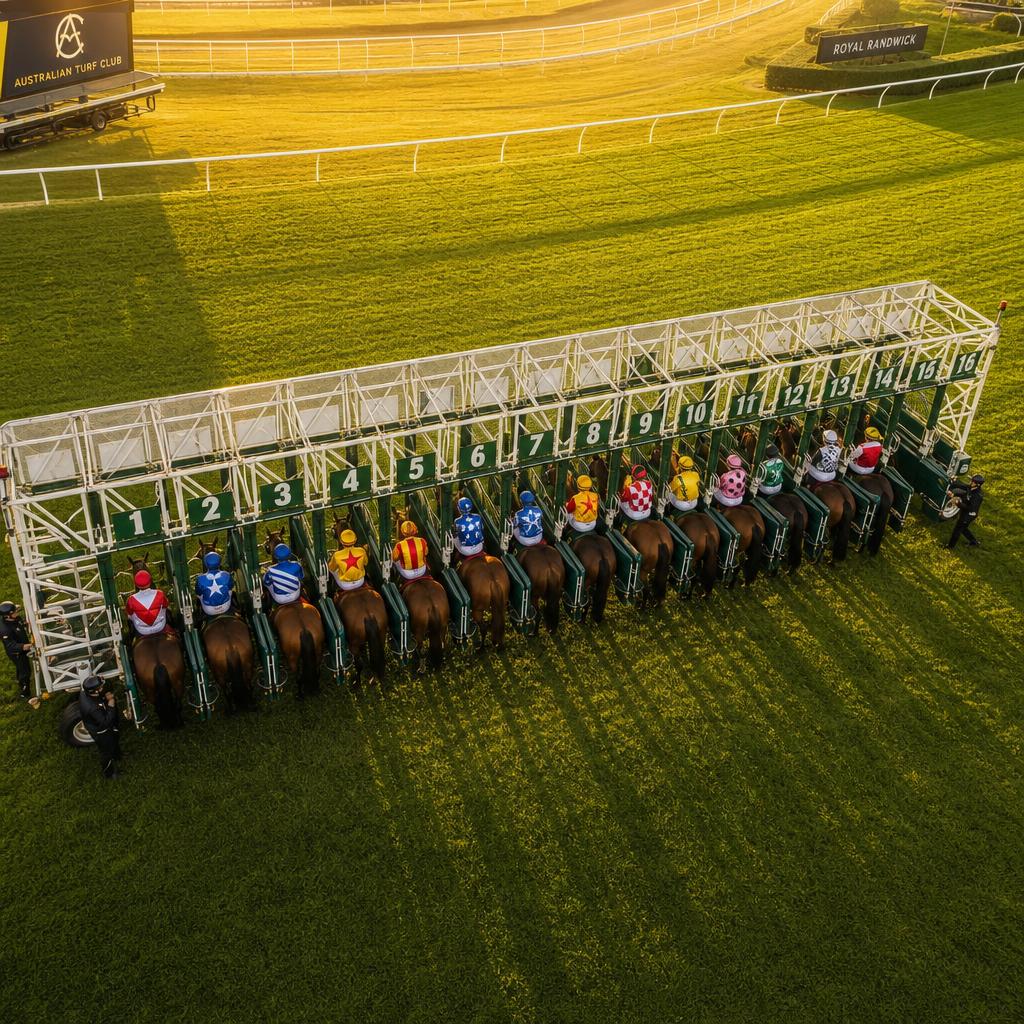
The header uses an illustrative racing photograph, not a photograph of the historical event.
A target is only the beginning
A trainer naming a coastal feature as a possible target gives you a reason to follow a horse, but not a reason to back it immediately. There are several steps between discussing a race and appearing in the starting gates. Nominations, acceptances, a suitable barrier, the horse's wellbeing and late scratchings can all change the plan. Treat an early headline as a note for your watchlist, then check the official field when it becomes available.
That distinction is particularly important when reading an old report. The original article behind this URL referred to Miller eyeing another coast feature, but its precise runner and race have not been recovered. We have not guessed which Miller it meant. This replacement focuses on the practical questions behind any such campaign, rather than inventing a horse, a quotation or a result to make the archive look complete.
First establish which track and which race
The word coast can hide a lot of detail. Gold Coast and Sunshine Coast meetings are not interchangeable, and neither is a generic reference to a coastal campaign elsewhere in Australia. Establish the official venue, race date, distance and conditions first. Check whether the event is a handicap or a set-weights race. A horse can be well suited to one version of a feature yet face a much harder task under another.
Track layout belongs in the same conversation. Look at where the race starts, how quickly the field reaches a turn and the running style the horse usually needs. An awkward draw might be manageable with a long run before the bend, but costly when a runner must spend energy to find cover early. Resist the shortcut of calling every wide gate bad or every inside gate good.
Fitness and travel need separate checks
Find the horse's most recent race or trial and consider how that preparation fits the intended distance. A fresh sprinter and a horse stepping up after several runs have different questions to answer. Trainer comments can provide context, but compare them with the actual recent record. A positive interview is not a fitness measurement, and the absence of an eye-catching trial does not by itself establish that something is wrong.
Travel is another variable, not an explanation that automatically makes a horse better or worse. You may know that a stable is sending a runner interstate without knowing how comfortably it will handle the journey. Avoid filling that gap with confidence you cannot justify. Where information is missing, make a smaller commitment, wait for more detail or leave the race alone. There is no requirement to have an opinion on every runner.
Make the final field do the deciding
Once acceptances are published, rebuild the race from the actual runners rather than the field you expected a week earlier. Identify likely leaders, other horses competing for the same position and any changes in weight or riding arrangements. A target that looked attractive in an interview may become less appealing after three strong opponents accept. Conversely, withdrawals can simplify the task without making the remaining favourite unbeatable.
Keep two notes: what made the campaign interesting and what would invalidate your original view. That second note is the one people often forget. A wet track, unsuitable trip or difficult race shape may be enough to pass. Use the current calendar and confirmed race card to move from background reading to today's analysis. The useful outcome of following a feature target is a better-informed decision, including the decision not to bet.
Frequently Asked Questions
Does a trainer mentioning a race confirm the horse will run?
No. A possible target still depends on nominations, acceptance, the horse's condition and any subsequent scratching. Check the official final field.
Which Miller and horse did the old article discuss?
Those details could not be verified from the unavailable report. This replacement guide deliberately does not attribute a campaign to a specific trainer or runner.
Where should I check the current Queensland field?
Use Racing Queensland's official calendar and race information, then check late changes before relying on any race analysis.