Remembering Alan 'Jock' Gollogly: A Racing All-Rounder
A respectful look at Alan Gollogly's early career, family connection with Fred Best and memorable 1972 Doomben 10,000 success, based on published racing history.
A new historical appreciation drawing on Racing.com's December 2023 feature. It is not a reproduction of the unavailable original obituary or a claim of a new interview with his family.
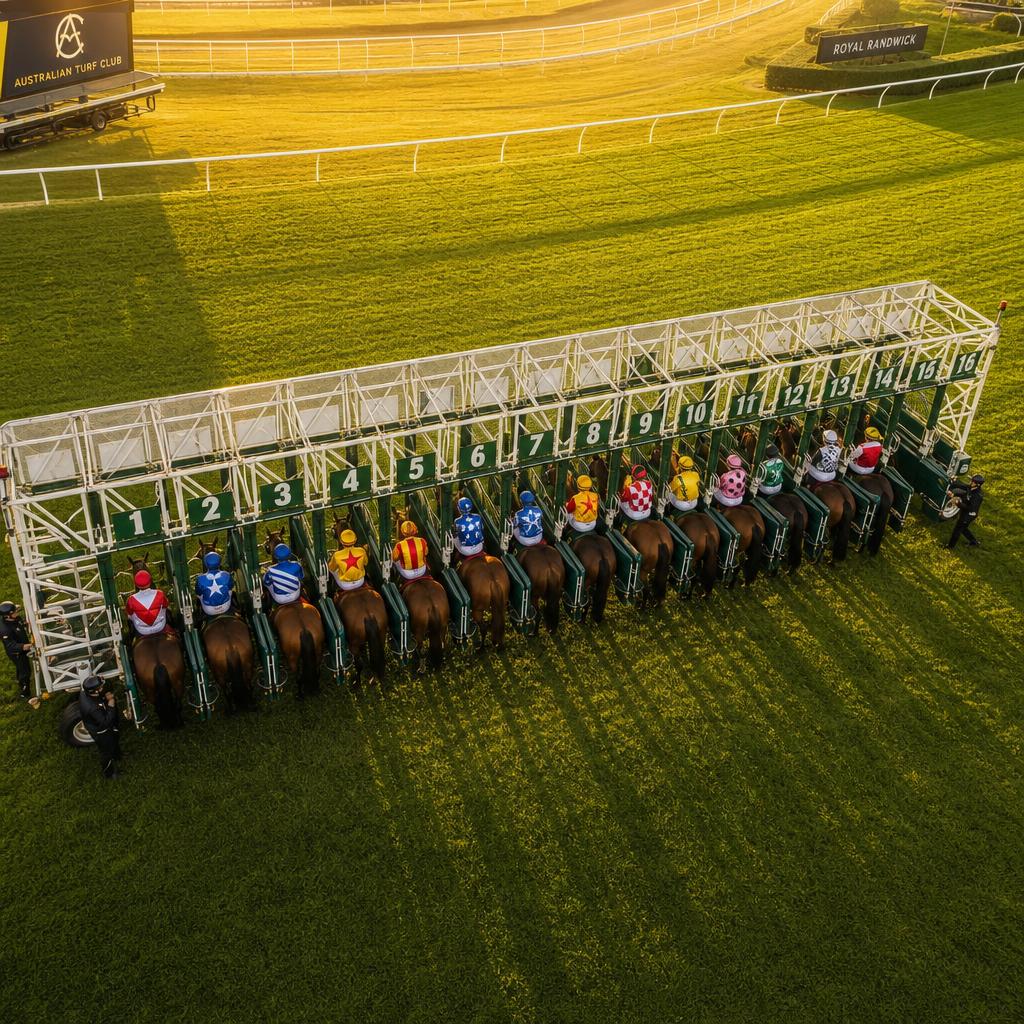
The header uses an illustrative racing photograph, not a photograph of the historical event.
A career worth remembering beyond one headline
Alan 'Jock' Gollogly belonged to a racing world in which family knowledge, stable work and race-day judgement were closely connected. Racing.com's December 2023 feature remembered him as a popular racing all-rounder after his death. This page draws on that published history to acknowledge his career. It does not pretend that we interviewed him, spoke with his family or witnessed the events being described.
For readers encountering his name for the first time, the early milestones provide a clear introduction. Gollogly began his apprenticeship in 1969 and won at his third ride, aboard Chantal Gold at Gatton. Those details show how quickly the opportunity to ride became an opportunity to succeed. They also place the story in a particular era, rather than allowing a decades-old achievement to float without a date.
Education and a family grounding in racing
Racing.com explains that Gollogly's parents encouraged him to complete his schooling before becoming an apprentice. He attended Nudgee College and began his apprenticeship at eighteen, older than many newcomers of that period. During school holidays he had already been able to ride trackwork at his grandfather's stable. His introduction to the profession therefore combined formal education with practical experience around horses.
His grandfather was Fred Best, a major figure in Brisbane racing, and the family connection became part of his biggest success. It is easy to reduce such a background to a familiar name, but a riding career still required the apprentice to make decisions under pressure. Family experience could open a path and offer guidance. The performance in a race remained the rider's responsibility once the gates opened.
From early progress to the Doomben 10,000
Among the milestones in the Racing.com account are the 1971 Ipswich Cup on Hard to Catch and the Brisbane leading-apprentice title for the 1970-71 season. These achievements help explain why Gollogly was more than a young rider who happened to receive a famous opportunity. He had already built a record of meaningful results before the race most closely associated with his name.
That defining success came in the 1972 Doomben 10,000 on Bengalla Lad, trained by Best. The feature describes a narrow victory after the pair had finished second to Triton in the Stradbroke Handicap. Winning a major sprint for his grandfather made the occasion particularly significant. The published account contains colourful race-day memories, but the essential point does not need embellishment: a young rider delivered at the highest level of that day's racing.
How to preserve a racing life responsibly
A respectful historical appreciation should distinguish documented milestones from personal recollections that the writer cannot verify. Dates, horses and named races can be checked against published records. Private feelings and conversations should not be supplied merely to make the story more moving. Gollogly's career offers enough substance without invented dialogue, imagined scenes or a suggestion that this website had a personal relationship with him.
Racing is remembered through people as much as through results. Apprentices, trainers, stable staff and families all contribute to the continuity of the sport, even when a brief news item can name only one winner. Readers who want a fuller account should follow the linked Racing.com feature. This replacement page keeps a historical address useful while making its limits clear, and recognises Gollogly through the achievements that can be responsibly attributed to him.
Frequently Asked Questions
What was Alan Gollogly's best-known major win?
The 1972 Doomben 10,000 aboard Bengalla Lad, trained by his grandfather Fred Best, as described in Racing.com's historical feature.
When did he begin his apprenticeship?
Racing.com records that he began in 1969 after completing his schooling at Nudgee College.
Is this an original interview or the recovered obituary?
No. It is a newly written appreciation based on the linked published history, without invented interviews or private recollections.