Nick Ryan and Dice Roll: Reading Winter Championship Form
Assess an imported horse's winter campaign through comparable conditions, weight and race shape. A historical Dice Roll guide without invented tips or results.
A replacement form guide. The linked profile identifies Dice Roll and Nick Ryan, but the original Winter Championship preview and its precise claims could not be recovered.
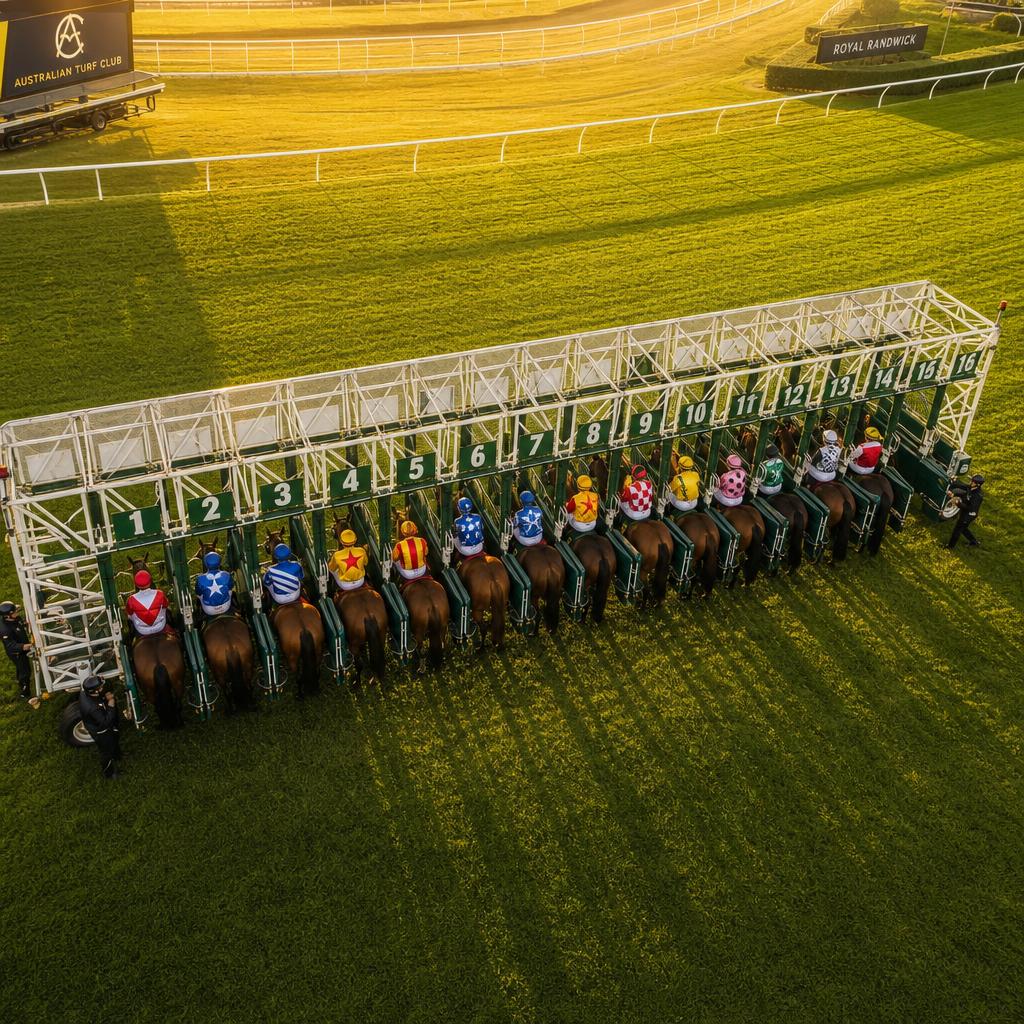
The header uses an illustrative racing photograph, not a photograph of the historical event.
An imported record needs translation
Dice Roll's profile is a useful reminder that a racehorse's record can span different racing systems. The linked Racing Post page identifies the horse with Nick Ryan and records earlier ownership changes. Reading such a profile is not as simple as comparing a row of finishing positions. Distances, race conditions and the standard of opposition all need to be understood before an overseas performance can inform an Australian assessment.
The old headline referred to a Winter Championship Series Final. Its original preview is not available here, so this page does not invent a date, quotation or finishing position. Instead, it focuses on the work a reader should do before following a winter-campaign story. Start by distinguishing documented form from a trainer's hopes, then identify which parts of the record are genuinely comparable with the intended race.
Compare conditions before comparing placings
Read the distance and going alongside each result. A horse can finish in the same position in two races while producing very different performances. One run may involve a demanding pace on a softer surface; another may be a short sprint at the end of a slowly run contest. Without that context, a neat sequence of placings can conceal more than it reveals about the horse's strengths.
Winter conditions deserve particular attention, but avoid declaring a horse a wet-track specialist from a tiny sample. Check the number of relevant runs, the quality of the fields and whether any poor performances had another explanation. Track ratings are useful categories rather than precise measurements of identical surfaces. Two meetings with the same rating can still present different practical challenges to a runner.
A final can be different from its lead-ups
Series lead-ups are evidence, not replicas of the final. More runners, changed weights or a different pace can alter the task. Compare each principal contender's likely position rather than assuming that the horse with the latest win has the best chance. If several lead-up winners all prefer the same spot, their combined presence can produce a much more competitive early stage than any one of their previous races.
Fitness should be considered through the whole preparation. Look at the spacing of starts and how the horse has finished its recent races. An extended campaign does not automatically mean tiredness, just as a short campaign does not automatically mean improvement is certain. Avoid assigning an exact confidence percentage when you cannot validate it. A short explanation of the positive evidence and the main concern is more honest and more useful.
Keep price, opinion and result separate
A trainer supporting a runner is understandable, but readers still need to make an independent assessment. If you consider a bet, ask whether the available terms justify the uncertainty rather than treating stable enthusiasm as a substitute for analysis. Historical prices cannot be assumed to remain available, and a profile is not a live odds feed. This article deliberately does not publish an invented market or retrospective recommendation.
When reviewing the final, retain the note written before the race and compare it with what actually happened. Did the ground change? Was the expected pace wrong? Did the runner have the opportunity anticipated? These questions teach more than counting a winner after the event. For current racing, use today's confirmed field and conditions; a Dice Roll archive should remain a lesson in form reading rather than an expired tip presented as fresh.
Frequently Asked Questions
Is Dice Roll's connection with Nick Ryan verified?
Yes. The linked Racing Post profile identifies Nick Ryan as trainer. Always check dated records when studying an earlier campaign.
Does this page reproduce the original Winter Championship selection?
No. The original preview was unavailable, and no quotation, selection price or result has been invented.
Why can a series final differ from the qualifying races?
The final can have a different field, pace, weight comparison and surface condition. Lead-up form needs to be reassessed under those new conditions.