
Cox Plate
Australia's Weight-for-Age Championship
Cox Plate guide - four-time winner Winx, Moonee Valley barrier analysis, weight-for-age form tips, and AI-powered horse racing predictions for Australia's most prestigious Group 1 championship. A$5M prize pool.
About the Race
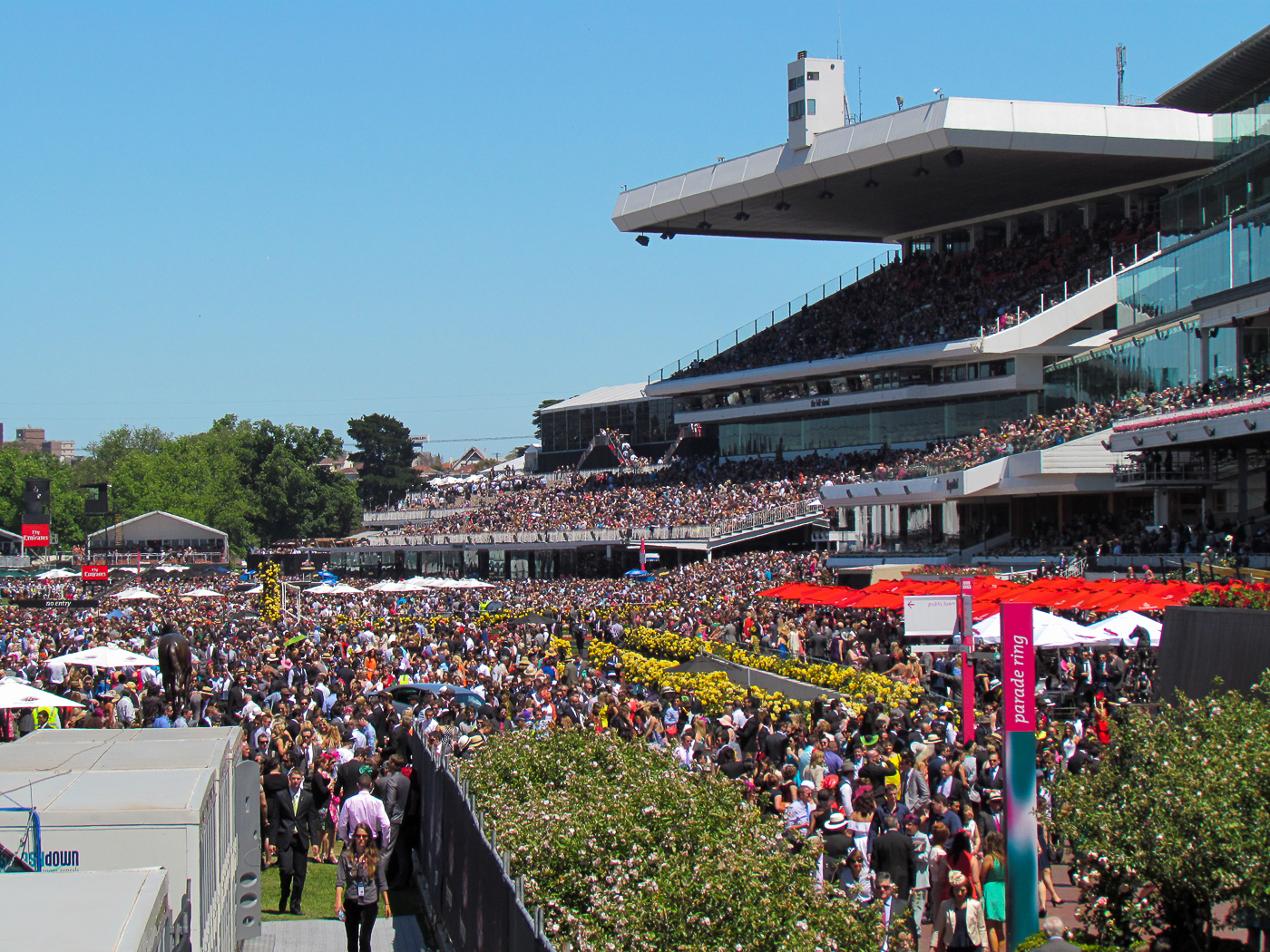
The WS Cox Plate is widely regarded as Australia's most prestigious weight-for-age race and the true championship test of a middle-distance thoroughbred. Run over 2040 metres at Moonee Valley Racecourse on the last Saturday in October, it carries a prize pool of A$5 million and is the centrepiece of the Melbourne Spring Carnival week before the Cup.
Unlike the Melbourne Cup's handicap format, the Cox Plate is run at weight-for-age - the best horse on the day wins. There is no weight manipulation to equalise the field, meaning only genuine Group 1-class middle-distance performers can contest it. For this reason, it is considered a purer test of racing ability than the Cup.
Winx won the Cox Plate four consecutive times from 2015 to 2018, cementing it as the race most associated with Australia's greatest modern racehorse. Her record has made the race synonymous with sustained excellence - any horse who wins back-to-back Cox Plates enters the conversation for all-time greatness.

History & Tradition
The Cox Plate was established in 1922 by the Moonee Valley Racing Club and named after W.S. Cox, the club's founder. From its earliest editions, the race attracted the elite of Australian racing - Kingston Town won it three times in the early 1980s, and Kingston Rule, Sunline, and Makybe Diva have all added their names to the honour roll.
The race is held at Moonee Valley, a tight 1850-metre circuit in Melbourne's inner northwest. The track's configuration - with a sharp home turn and a relatively short straight - makes it very different from Flemington or Caulfield. Horses that race prominently tend to be favoured, and wide gates carry a measurably higher risk than at larger circuits.
Winx's four consecutive victories from 2015 to 2018 elevated the race's profile globally. Her winning margins - 3.5 lengths, 4.2 lengths, 1.5 lengths, and 2 lengths - were achieved against the best weight-for-age horses in Australia and New Zealand each year, making her Cox Plate dominance one of the great sustained performances in thoroughbred history.

How to Find Value
The Cox Plate rewards horses that have a genuine turn of foot over 1800–2100 metres. Watch for runners who have won or placed in the Caulfield Stakes (1800 m) or Turnbull Stakes (2000 m) in the preceding weeks - those races serve as the two primary form guides and are used by most trainers as part of the exact Cox Plate preparation pathway.
Barrier draw is critical at Moonee Valley. Statistical analysis of Cox Plate results shows that horses drawn in gates 1 through 5 win at roughly twice the rate of those drawn outside gate 9. If the favourite draws barrier 12 or wider, the market often does not discount it sufficiently - creating value on a better-placed rival.
Track condition is the other major variable. The Valley's drainage means it can switch from good to soft overnight after rain. Horses with a proven wet-track record - two or more wins on heavy or soft going - should be flagged as value runners whenever rain is forecast for the Thursday or Friday before race day.
Get AI Picks for Cox Plate
Upload the race card on the day and receive AI-ranked selections with win probability scores in under 30 seconds.
Run the AI Predictor →Frequently Asked Questions
Where can I find upcoming race meetings?
Open the Racing Calendar to browse meetings by date and location. Advertised race numbers and Sydney start times appear when fields are available. Check the calendar for current fixtures rather than treating an article as a live race schedule.
Do racing tips guarantee a winning bet?
No. Predictions and racing articles are information, not guaranteed outcomes. Use your own research, and only gamble what you can afford to lose.