
Melbourne Cup
The Race That Stops a Nation
Melbourne Cup guide - full race history since 1861, barrier and weight analysis, expert form tips, and AI-powered horse racing predictions for Flemington's Group 1 staying classic. A$8M+ prize pool.
About the Race
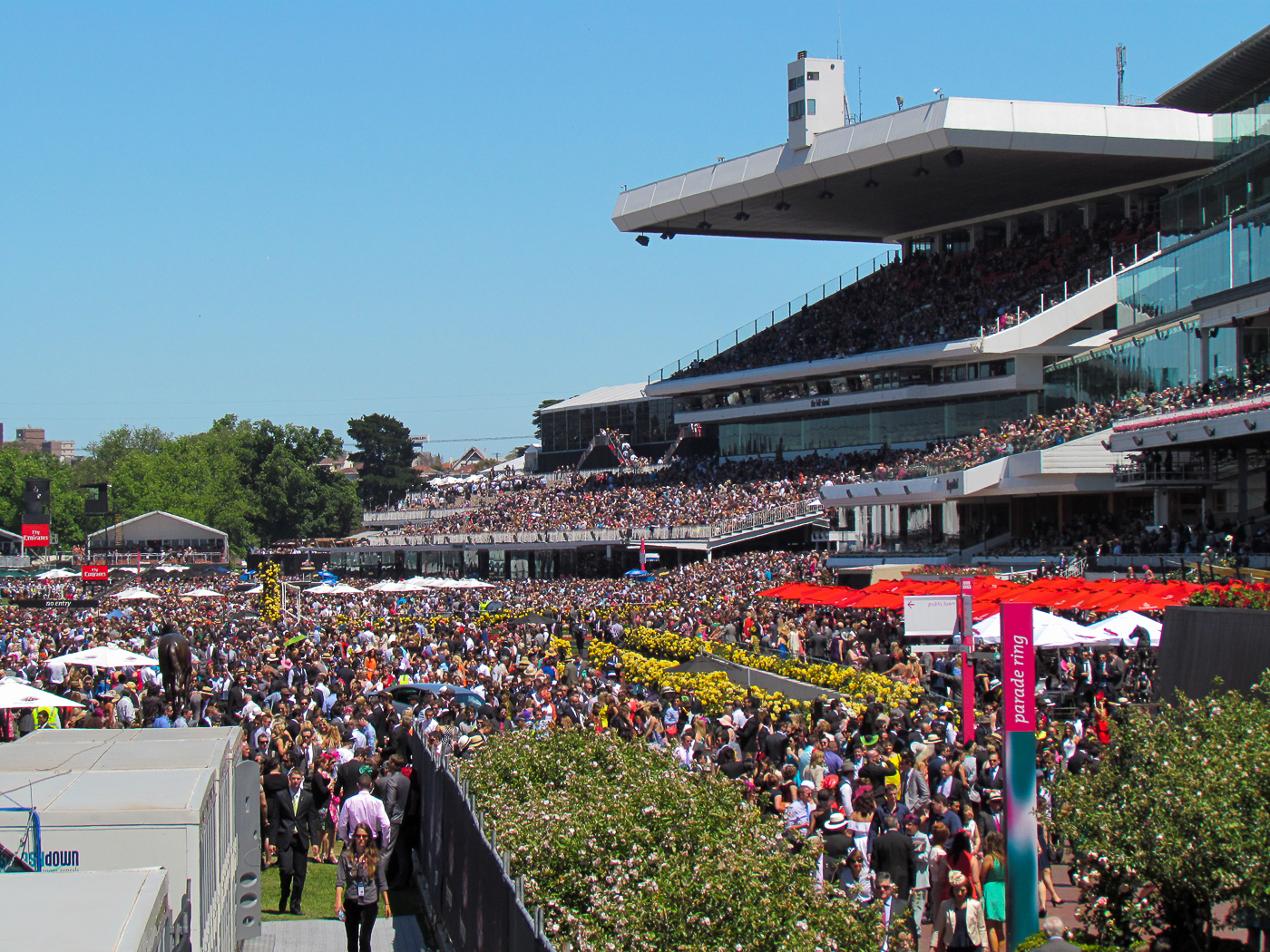
The Melbourne Cup is the jewel of the Australian racing calendar and one of the most recognised thoroughbred races in the world. Run over 3200 metres at Flemington Racecourse on the first Tuesday in November each year, it carries a prize pool exceeding A$8 million and stops an entire nation at 3 pm Melbourne time.
What sets the Cup apart from other staying races is its handicap format. Every runner in the 24-horse field carries a weight assigned by Racing Australia's handicapper to theoretically give every horse an equal chance. In practice, this creates opportunities for lightly weighted horses trained specifically for the distance and conditions - making it one of the most punter-friendly Group 1 races on the calendar.
International horses have dominated the race in recent decades. Trainers from Ireland, England, France, and Japan regularly ship stayers to Australia in September, targeting the Cup as the centrepiece of a southern hemisphere spring campaign. Understanding which imports are genuinely prepared for the 3200-metre journey - rather than simply placed for the prizemoney - is the key edge for serious punters.
History & Tradition
The Melbourne Cup was first run on 7 November 1861, making it one of the oldest major flat races in the world. Archer, a chestnut gelding trained by Etienne de Mestre, won the inaugural edition and returned to win again in 1862 - a back-to-back feat rarely matched in the race's 160-year history.
The race was elevated to Group 1 status under the Pattern Racing system introduced in Australia in 1979. Its 3200-metre distance has remained unchanged since the early days of the race - unusually long by modern thoroughbred standards, which is why proven staying ability across multiple races at 2400 m or further is the primary form consideration.
Iconic winners include Makybe Diva, who became the only horse to win the race three consecutive times (2003–2005), accumulating A$14.5 million in prize money across her career. The 2022 winner Gold Trip gave French trainer Christophe Lemaire his first Cup success, continuing a trend of European stayers dominating the race's modern era.


How to Find Value
When assessing Melbourne Cup runners, focus on horses that have run 2000 m or further at Group level and shown the ability to sustain a strong gallop in the final 600 metres. Weight-for-age performances in European staying races translate well to the Flemington track, but horses need at least one Australian trial or barrier run to acclimatise to local conditions.
Track bias at Flemington historically favours runners that settle in the first third of the field. Last-start winners from 2400-metre races in the preceding three weeks tend to be over-bet; better value often lies with lightly raced stayers resuming from a spell who were prepared specifically for the Cup distance.
The Racing Ready AI Predictor analyses barrier, weight, last-start distance, trainer preparation history, and track-condition records to produce win probabilities across the full Cup field. Upload your race card on the Tuesday morning for pre-race selections ranked by statistical edge.
Get AI Picks for Melbourne Cup
Upload the race card on the day and receive AI-ranked selections with win probability scores in under 30 seconds.
Run the AI Predictor →Frequently Asked Questions
Where can I find upcoming race meetings?
Open the Racing Calendar to browse meetings by date and location. Advertised race numbers and Sydney start times appear when fields are available. Check the calendar for current fixtures rather than treating an article as a live race schedule.
Do racing tips guarantee a winning bet?
No. Predictions and racing articles are information, not guaranteed outcomes. Use your own research, and only gamble what you can afford to lose.