
The Everest
The World's Richest Turf Race
The Everest guide - world's richest turf race at Royal Randwick. Slot race format explained, sprint form analysis, barrier stats, and AI-powered horse racing predictions. A$20.25 million prize pool.
About the Race
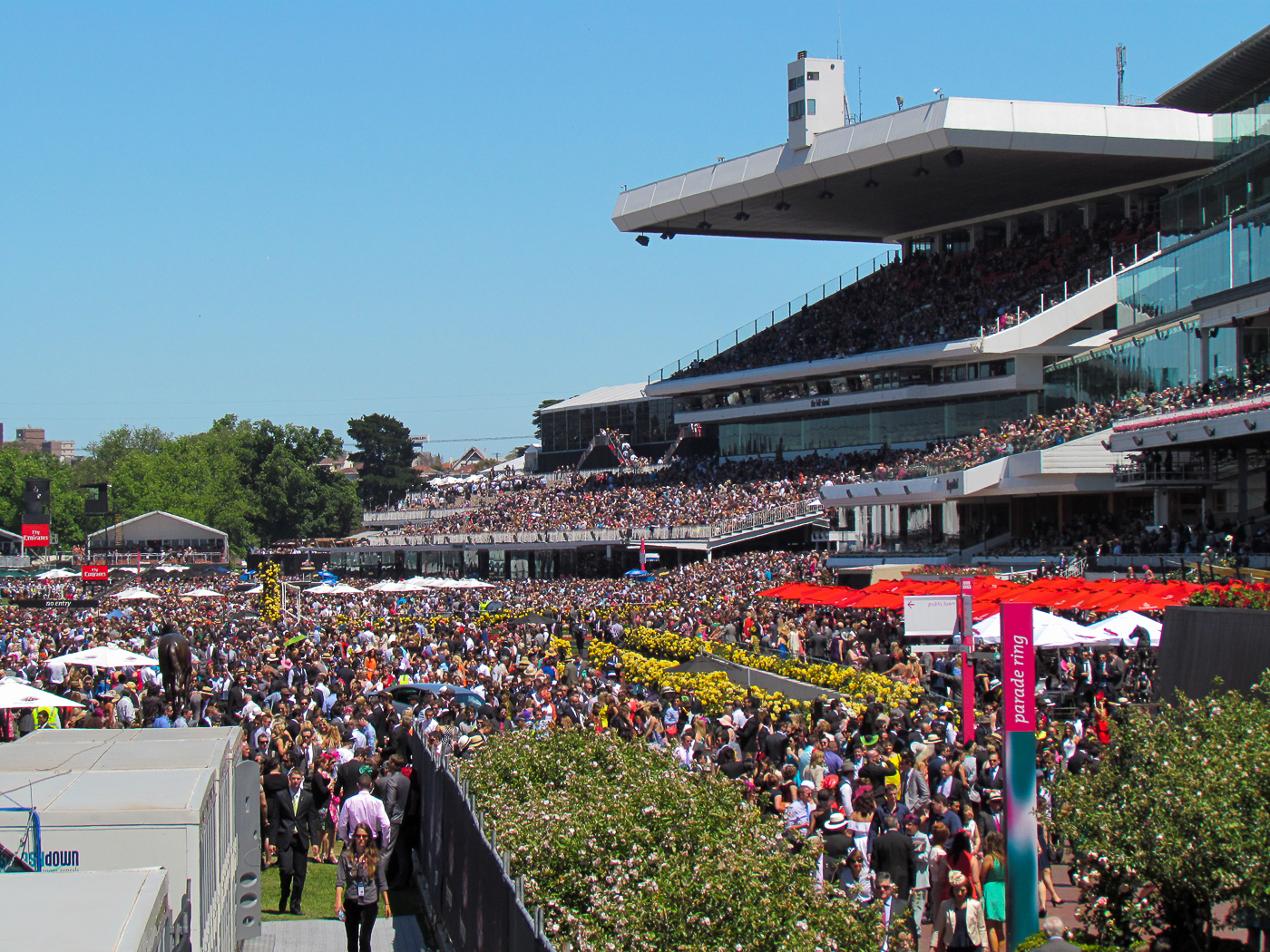
The Everest is the world's richest turf race, carrying a prize pool of A$20.25 million across its 12-horse field on the second Saturday of October at Royal Randwick. Launched by Racing NSW in 2017, it has reshaped the Australian spring carnival by giving the October Sydney racing scene a marquee event to rival Melbourne's Cox Plate and Melbourne Cup.
What makes The Everest structurally unique is its slot system. Rather than a traditional ballot or prizemoney qualification system, 12 slot holders - typically major bookmakers, syndicates, and racing industry organisations - pay for the right to nominate a runner. This commercially driven format generates enormous media coverage and creates a horse-trading market as slot holders seek to upgrade their runner as the race approaches.
The race is a 1200-metre sprint on Randwick's straight course - the fastest surface in Australian thoroughbred racing. It rewards horses with exceptional early speed, a clean barrier draw, and the ability to maintain top-end velocity for the full 1.2 kilometres without fading in the final 200 metres.

History & Tradition
The Everest was inaugurated in 2017 and immediately attracted Australia's best sprinters. Redzel won the inaugural edition and returned to win again in 2018, becoming the first back-to-back winner in the race's short history. Since then, winners have included Classique Legend (2020), Nature Strip (2021 and 2022), and Giga Kick (2023).
The race's prize pool was set at A$10 million at its launch - higher than the Melbourne Cup at the time - and has grown to A$20.25 million, making it the wealthiest turf race on the planet by total purse. International sprint operations have taken note, and the race now attracts slot holder interest from Hong Kong, Japan, and the UK.
Racing NSW's decision to run the race on the Randwick straight track was deliberate - it creates a purely merit-based straight-line sprint where the best horse over the ground wins. The absence of bends eliminates the tactical complexity of barrier and track position that defines most sprint races, making it one of the most analytically pure races on the Australian calendar.

How to Find Value
The Everest is won by horses that have demonstrated elite sprint ability over 1100–1200 metres at Group 1 level in the weeks leading up to the race. The primary lead-up races are the Premiere Stakes (1200 m, Randwick), The Shorts (1100 m, Randwick), and the Golden Rose (1400 m, Rosehill) - runners who place in these events are automatically the form benchmark.
Because the race is run on a straight track, ground coverage from a wide gate is a consideration, but the absence of bends means horses cannot be blocked for a run. In practice, the most significant predictor is raw speed: horses that have recorded sub-1:08 times at 1200 metres on a firm track should be highlighted regardless of gate number.
The Everest is rarely won by a horse starting from outside $15 - the slot system ensures only elite sprinters enter, and the betting market is highly efficient. Racing Ready's AI Predictor focuses on identifying the one or two runners in the $6–$12 range who are underrated relative to the field leader, which historically produces the best return on investment.
Get AI Picks for The Everest
Upload the race card on the day and receive AI-ranked selections with win probability scores in under 30 seconds.
Run the AI Predictor →Frequently Asked Questions
Where can I find upcoming race meetings?
Open the Racing Calendar to browse meetings by date and location. Advertised race numbers and Sydney start times appear when fields are available. Check the calendar for current fixtures rather than treating an article as a live race schedule.
Do racing tips guarantee a winning bet?
No. Predictions and racing articles are information, not guaranteed outcomes. Use your own research, and only gamble what you can afford to lose.